Post 2B: How All 11 Executive Skills Collide During the Morning Routine
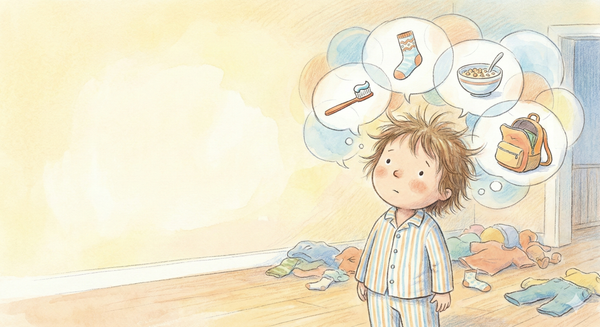
Mornings demand nearly all 11 executive skills at once. For kids with ADHD, even simple steps can spiral into overload. This post breaks down how one snag leads to a scramble—and how small supports can shift the whole routine.
🌄 Why Mornings Are a "Perfect Storm"
You’ve now seen the 11 executive skills your child uses to get through the day. What surprises many parents is that mornings require nearly all of them at once.
That’s why this time of day feels so fragile. In kids with ADHD, many of these skills are still wiring up. A small snag can spiral quickly. If you’ve ever felt tense before 8 a.m., that isn’t a parenting failure. It’s a sign that the routine is carrying more cognitive weight than it seems.
This post shows how these skills interact during a typical school morning—and why even simple steps can feel so hard for a developing brain.
🧠 A Chain Reaction Unfolds
Picture this:
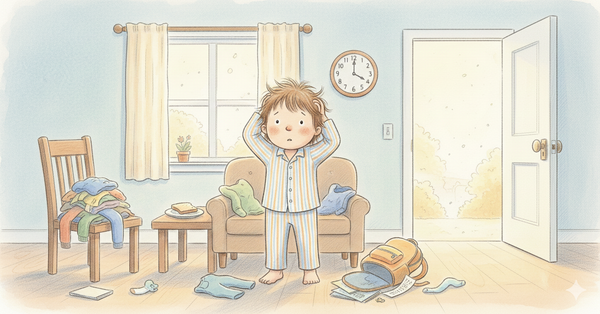
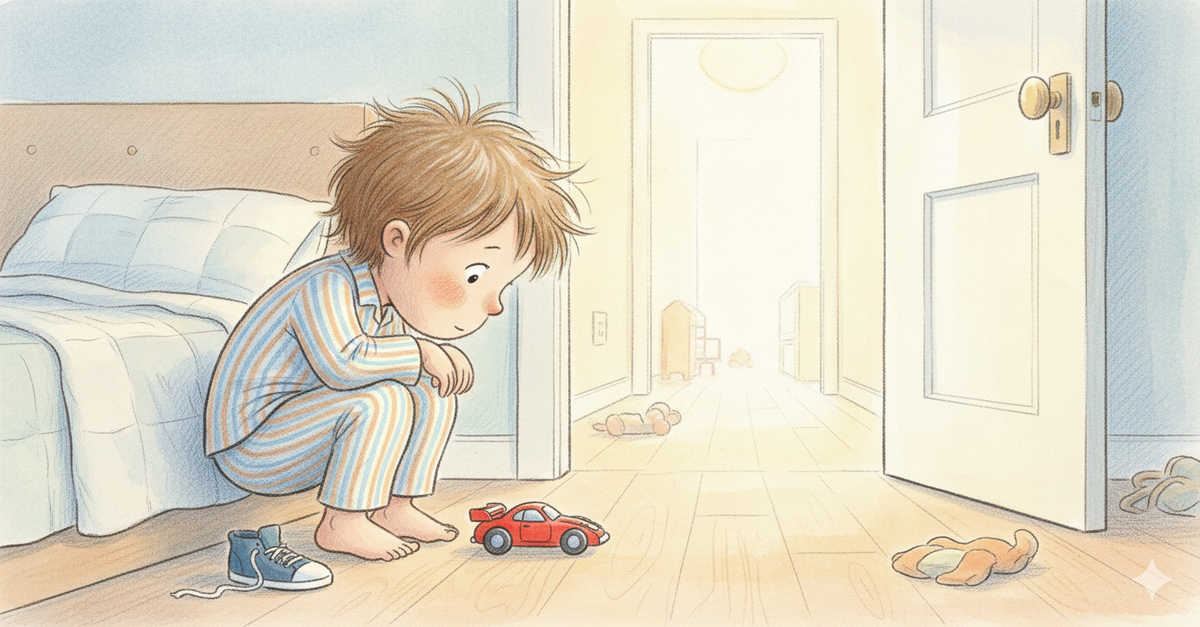
Your child wakes up groggy. They start to get dressed, but the floor is cold and the bed is warm. They spot a toy and get pulled off track. A minute later, they’re sitting on the rug, emotions rising because they’ve forgotten what they were doing. Breakfast gets rushed, a permission slip appears, and now you’re both racing the clock.
What looks like "not trying" is actually a full-on executive-function workout:
- Task Initiation → Getting started at all
- Sustained Attention → Staying with one step
- Impulse Control → Ignoring distractions
- Working Memory → Holding the routine in mind
- Organization → Knowing where things are
- Time Management → Estimating how long each step takes
- Planning → Choosing what to do first
- Goal-Directed Persistence → Remembering why it all matters
- Emotional Regulation → Handling frustration
- Flexibility → Adapting to change
- Metacognition → Learning what works
When several of these are still developing, one stuck point ripples across the entire routine:
Starts late → feels rushed → emotions rise → focus drops → more gets missed → now it’s a scramble
This isn’t stubbornness. It’s cognitive overload.
🌱 What You Can Do
When you view mornings through this lens, you can:
- Reduce friction at the first step
- Use routines that rely less on memory
- Add visual cues, checklists, and supports
- Anticipate snags before they spiral
And here’s the hopeful part: these skills grow. With support and practice, your child’s brain strengthens over time.
In the next posts, we’ll explore each of the 11 skills in more detail, with real-life examples and simple ways to support them.
This content is educational, not medical advice.